 Add Row
  Add
Add 


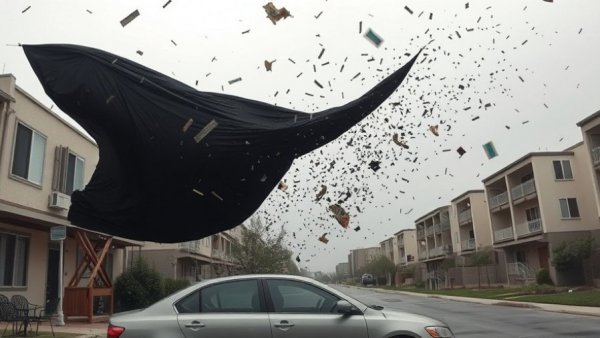
The Unexpected Tornado Impacting Boyle Heights This Christmas
This Christmas, as many were celebrating the festive season and sharing moments with loved ones, Boyle Heights experienced a rare and brief EF-0 tornado, confirming the unsettling reality of nature's unpredictability even in Southern California. On December 25, at around 10:10 AM, strong winds struck the neighborhood, leading the National Weather Service (NWS) to classify the event as a tornado after investigating the reported damages.
The EF-0 tornado traveled approximately a quarter-mile with peak winds of 80 mph, affecting local homes and businesses, damaging roofs, power poles, and even signage in areas such as Whittier Boulevard and Lorena Street. Thankfully, there were no reported injuries, but the emotional experience for residents was profound. Describing the moment, one local resident remarked, "It was a terrifying experience. It felt like a train was coming at us with a lot of metal." Such accounts underscore the anxiety and alarm that severe weather can evoke in a community.
Navigating Extreme Weather Events
The weather system that led to this tornado was part of a multi-day storm bringing massive rain and gusty winds to the Los Angeles region over the holiday week. While tornadoes in Southern California are indeed rare, this incident exemplifies how climate change may contribute to increasingly erratic weather patterns. The Enhanced Fujita Scale categorizes tornadoes from EF-0 to EF-5 based on their wind speeds, with this incident rated at the lowest end. Yet, even weak tornadoes can result in significant damage, as evidenced by the affected properties.
Preparing for Future Weather Events
As unpredictable events like this tornado remind residents of the importance of preparedness, it's essential to discuss effects on personal and community well-being. Being situated in a warmer climate, Southern California is often less associated with severe storms, but this reality is changing. Residents should consider creating emergency kits, formulating family plans for severe weather, and keeping informed through official channels regarding weather warnings. Engaging with local government officials and community organizations can empower the community to better respond to such calamities.
Lessons from Boyle Heights: Understanding Our Environment
The devastating power of nature is not the only takeaway from this experience; it also prompts a reflection on our resilience and adaptability as a community. In light of the tornado, City Council member Ysabel Jurado is actively working with departments to ensure residents have the necessary resources for recovery. This collaborative effort highlights the strength found in community solidarity, especially during unexpected crises.
The tornado serves not only as a wake-up call but also as an opportunity to foster connections and seek information about ways to support local resilience initiatives. In a world where natural disasters become more frequent, the need to develop community infrastructure to withstand and recover from these instances becomes evident, drawing attention to the importance of awareness and preparedness.
Engagement and Support: A Community's Response
In an effort to connect with residents, Councilmember Jurado urges those affected to reach out for assistance and information about available resources. As everyone in Boyle Heights navigates the aftermath of the tornado, local organizations can play a vital role in providing supportive networks, advice, and resources necessary for those facing property damage or emotional distress from the event. Engaging socially not only aids recovery for affected residents but also unites the community in a shared understanding of coping mechanisms to weather both literal and metaphorical storms.
Conclusion: A Call to Stay Informed
The Christmas Day tornado in Boyle Heights may have been weak on the Enhanced Fujita Scale, but its presence underscores the importance of engagement and preparedness in the face of climate change. Those in Southern California, particularly in vulnerable areas, should evaluate their emergency plans, stay updated on weather conditions, and actively participate in enhancing community resilience. Through awareness and preparedness, we can better navigate these unexpected challenges of our changing environment.



Write A Comment