


Discover the Connection Between Your Diet and Acne
While we've long accepted the belief that what we eat has implications for our overall health, recent studies suggest this mantra extends to our skin, particularly for those struggling with acne. Dietary choices may significantly influence skin health, affecting everything from oil production to inflammation levels. Navigating the path to clearer skin could very well start in your kitchen.
Understanding Acne: Factors Beyond Diet
Acne is the most common skin condition, affecting millions of people, particularly teens and young adults. It develops when hair follicles become clogged with oil and dead skin cells. The hormone insulin-like growth factor 1 (IGF-1) plays a vital role in this process, often elevated in individuals with acne. While genetics, stress, and hormonal changes are significant contributors, diet can also play a pivotal role.
Foods to Avoid for Clearer Skin
Certain foods can exacerbate acne by increasing IGF-1 levels and stimulating oil production. High glycemic index (GI) foods, which cause rapid spikes in blood sugar, include white bread, sugary cereals, and processed snacks. Dairy products like milk and cheese have also been linked to worsening acne symptoms due to their potential to increase sebum production. If you're looking to achieve clearer skin, it may be wise to limit intake of these foods.
The Power of Anti-Acne Foods
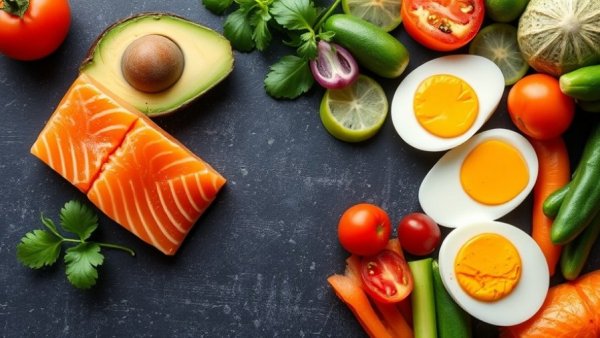
On the flip side, incorporating nutrient-rich foods into your diet can help support skin health and potentially reduce acne. Foods rich in omega-3 fatty acids—such as salmon, walnuts, and flaxseeds—are known for their anti-inflammatory properties. Other beneficial options include:
- Low Glycemic Fruits and Vegetables: Apples, berries, and leafy greens support overall skin health.
- Whole Grains: Brown rice, quinoa, and whole wheat products do not spike blood sugar levels, making them safer choices.
- Lean Proteins: Skin-friendly options like turkey and legumes provide essential nutrients without promoting acne.
- Antioxidant-Rich Foods: Foods high in vitamins A, C, and E can aid in the skin's healing process.
The idea is not to embark on a restrictive diet but rather to embrace a balanced, nutritious approach that might just lead to clearer skin.
Documenting Your Dietary Journey
Keep a food diary to better understand how your meals impact your skin. Record what you eat and any subsequent skin reactions you experience. Over time, this insight can help you identify specific trigger foods to eliminate from your diet. Sharing this diary with a dermatologist can support personalized treatment that aligns with your dietary habits.
Long-Term Commitment to Skin Health
While dietary changes can take time—often requiring several weeks to see results—they can be a key element of a comprehensive acne management plan. Alongside dietary adjustments, remember to maintain good skincare practices and possibly consult with a dermatologist for appropriate treatments.
Final Thoughts: Embrace Your Path to Clear Skin
Acne can be a challenging condition that affects emotional well-being. However, understanding the relationship between food and skin health presents an exciting opportunity to embrace healthier eating habits that promote overall well-being. Incorporating skin-friendly foods, like those rich in omega-3s and antioxidants, can lay a foundation for clearer skin and better confidence. Consider giving your skin the well-deserved nourishment it needs!
Take the first step towards healthier skin by making informed dietary choices, and remember that gradual change is key in the journey to clearer skin. Let your dietary journey lead to a more confident you!



Write A Comment